Interstellar Objects Like Comet 3I/ATLAS Could Act As Planetary Seeds
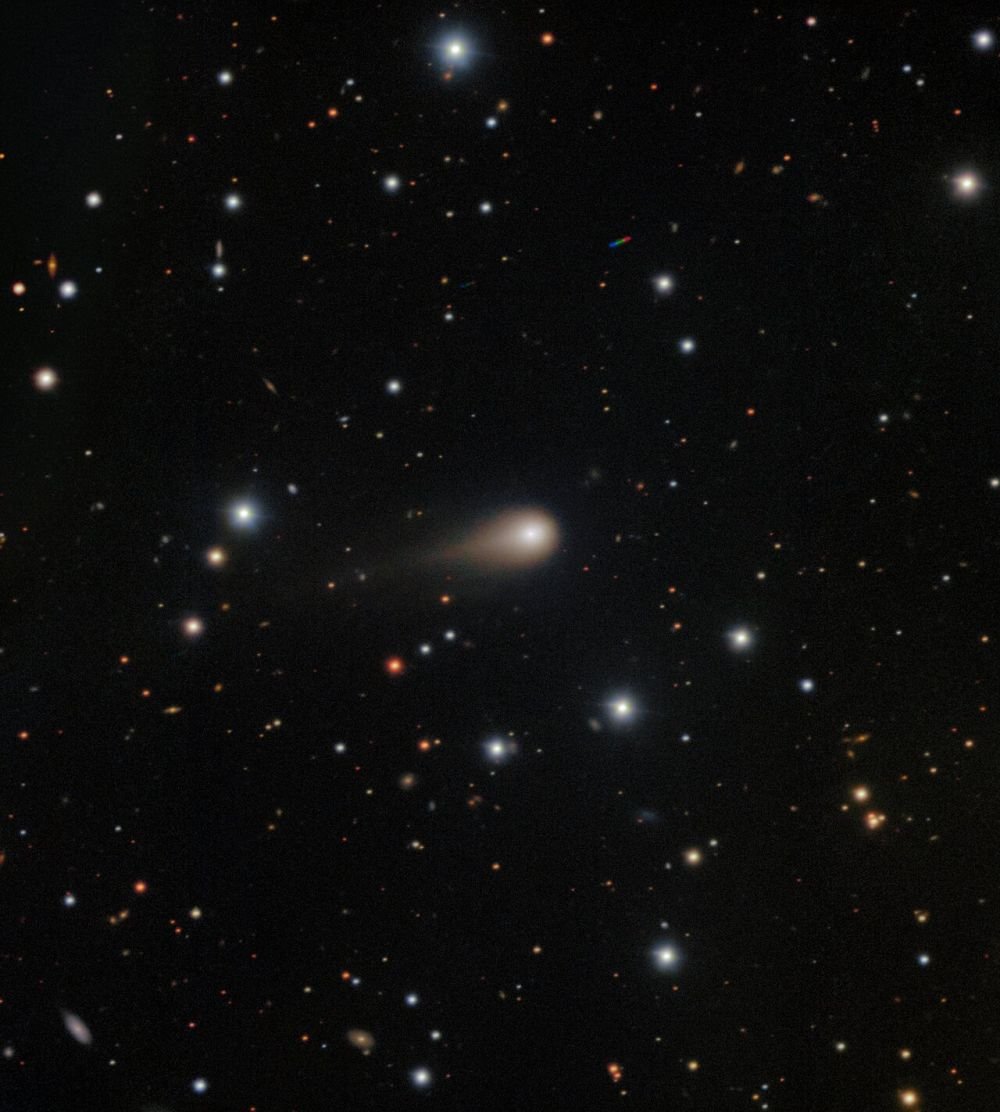
The Gemini South Telescope captured this image of the interstellar comet 3I/ATLAS as it sped through the inner Solar System. The comet’s coma and tail are growing as it approaches the Sun. Image Credit: By International Gemini Observatory/NOIRLab/NSF/AURA/Shadow the Scientist, CC BY 4.0, https://commons.wikimedia.org/w/index.php?curid=174444353 Comet 3I/ATLAS’s appearance in the inner Solar System in July 2025 … Read more
Astronomers Catch a Planet in the Act of Being Born

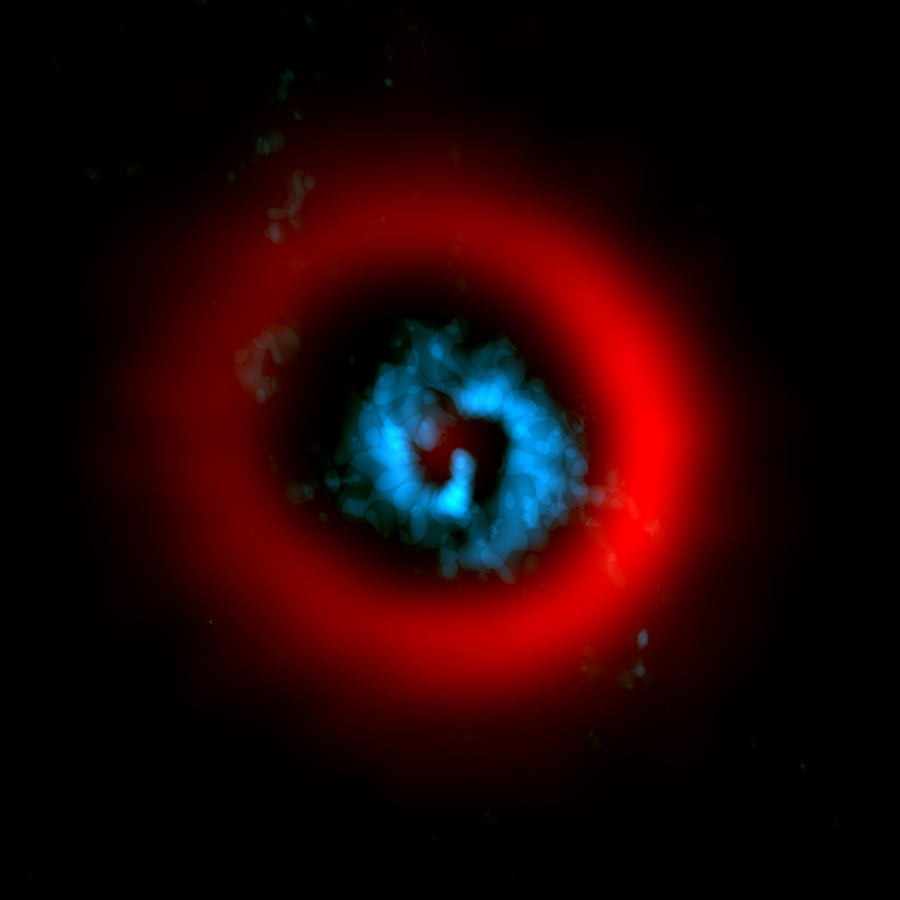
Protoplanets are celestial objects in the act of forming into full planets within the gas and dust disks surrounding hot, young stars. These objects, often several times the mass of Jupiter, are still embedded in their birth environments, actively feeding on surrounding material through their own circumplanetary disks. Unlike mature planets, protoplanets offer a rare … Read more

New Evidence Says An Exploding Comet Wiped Out The Clovis Culture And Triggered The Younger Dryas

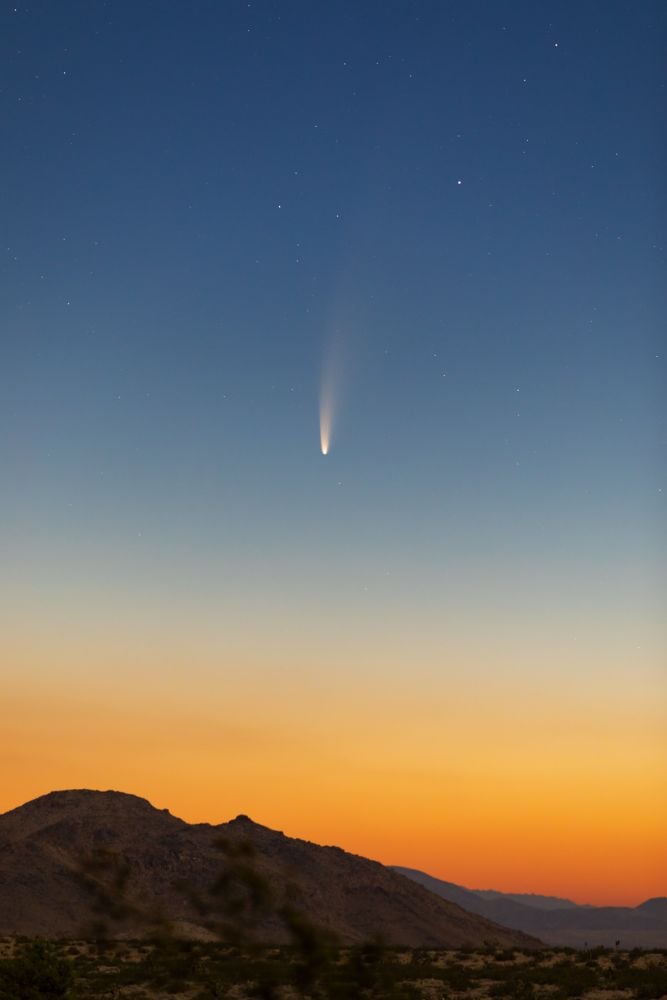
This photo of comet C/2020 F3 NEOWISE was taken in July 2020. There’s no doubt that comets have struck Earth in the past, and some have exploded in the air above the surface. One of these exploding comets could’ve triggered the Younger Dryas, bringing and end to the Clovis culture and wiping out megafauna. Image … Read more

Earth Has Another Quasi-Satellite: The Asteroid Arjuna 2025 PN7

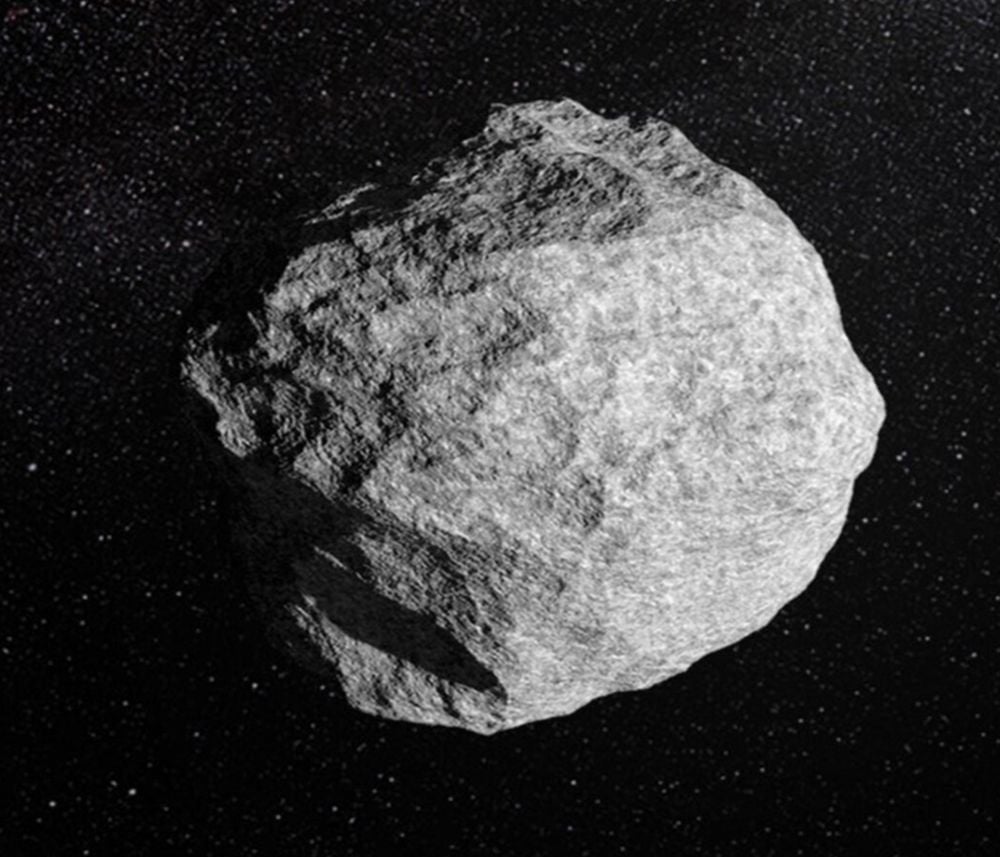
Whenever astronomers detect something new moving through our region of space, like an interstellar object or an unusual asteroid, somebody somewhere claims it could be an alien interstellar space probe. It’s like one of those laws about human behaviour—Godwin’s Law for example—that should probably have its own name. This applies to the detection of 1991 … Read more

Webb Spots a Massive Stellar Jet in the Outer Milky Way

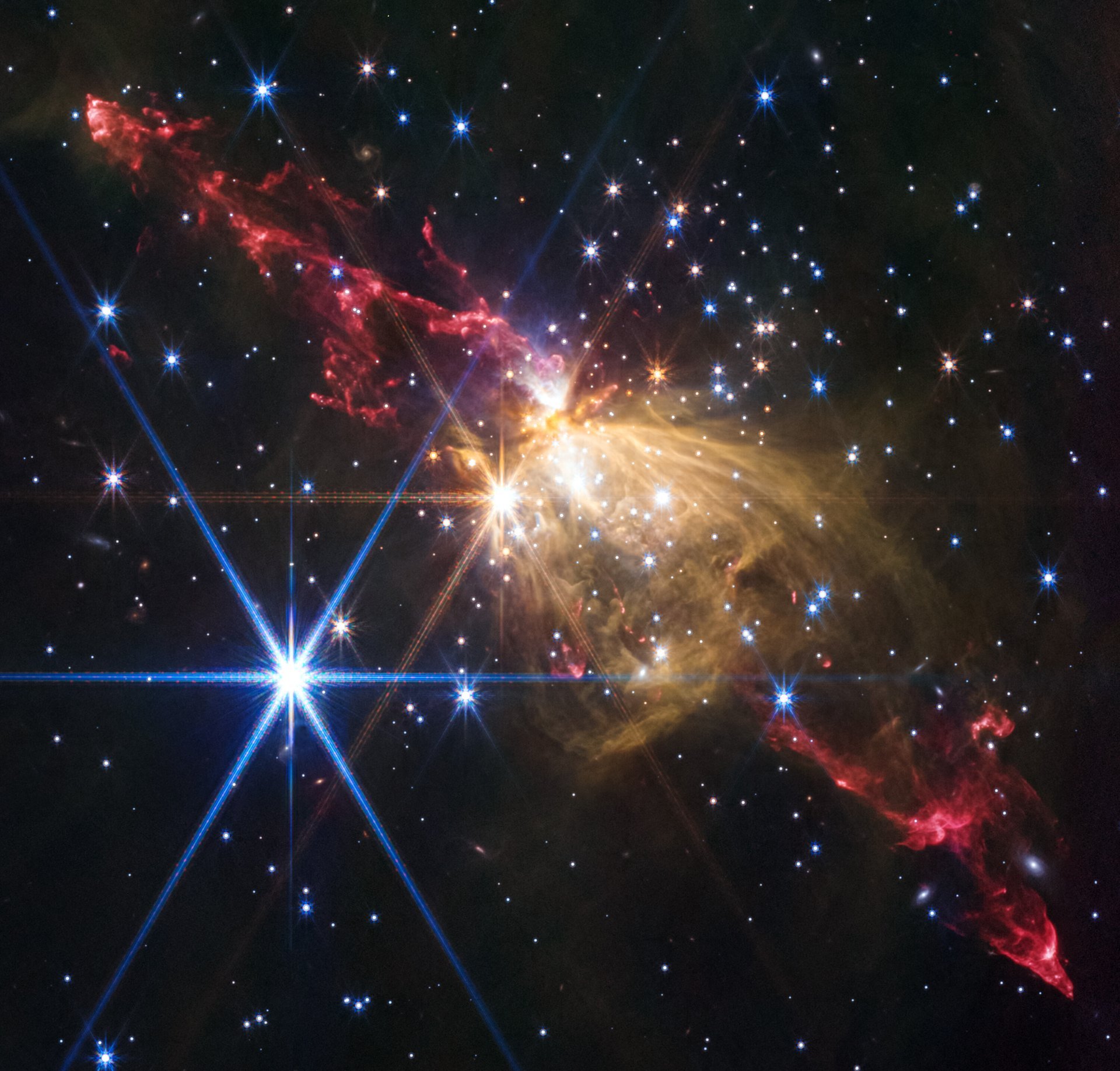
In a recent discovery, the James Webb Space Telescope (JWST) detected a massive stellar eruption measuring eight light-years across. This outflow, known as Sharpless 2-284 (Sh2-284 for short), is located about 15,000 light-years away in the outer reaches of the Milky Way. Based on an analysis by an international team of astronomers, this outflow appears … Read more

Microbial Life Colonizes Post-Impact Craters And Thrives For Millions Of Years

78 million years ago, a 1.6 km asteroid slammed into what is now Finland, creating a crater 23 km (14 mi) wide and 750 km deep. The catastrophic impact created a fractured hydrothermal system in the shattered bedrock under the crater. There’s evidence from other impact structures that in the aftermath of a collision, life … Read more